
Gum Pain: Causes, Relief, and When to See a Dentist

Gum pain can disrupt your day and signal an underlying issue. Whether you feel soreness, swelling, or bleeding, you should not ignore it. Understanding the causes of gum pain helps you find relief quickly and protect your long-term oral health.

Common Causes of Gum Pain

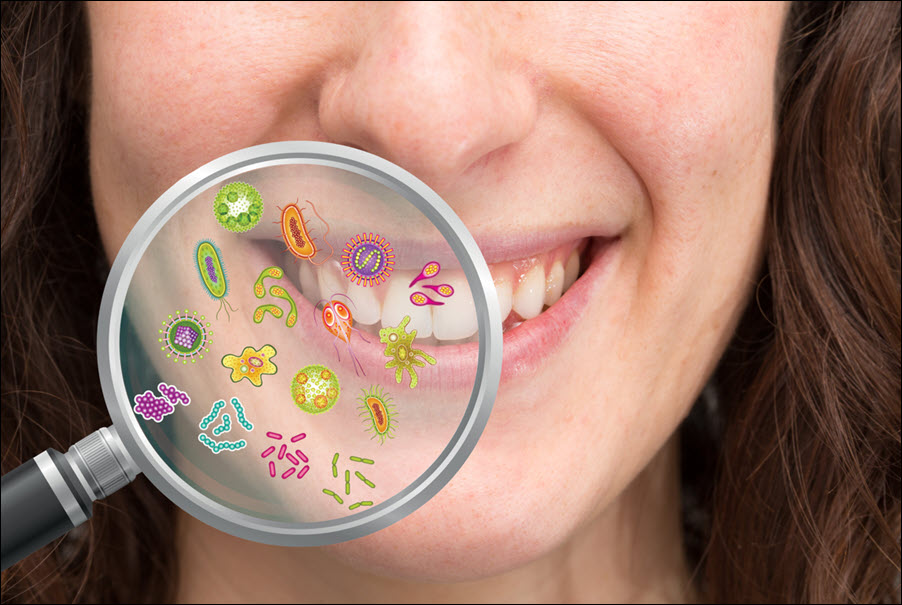
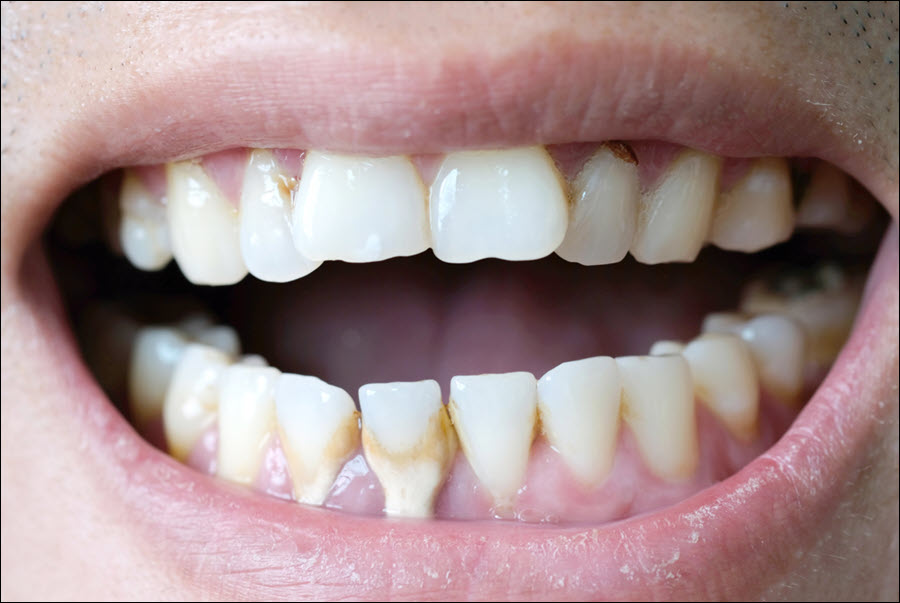
Several factors can lead to gum discomfort. The most common cause is plaque buildup along the gumline. When plaque hardens into tartar, it irritates the gums and leads to inflammation.

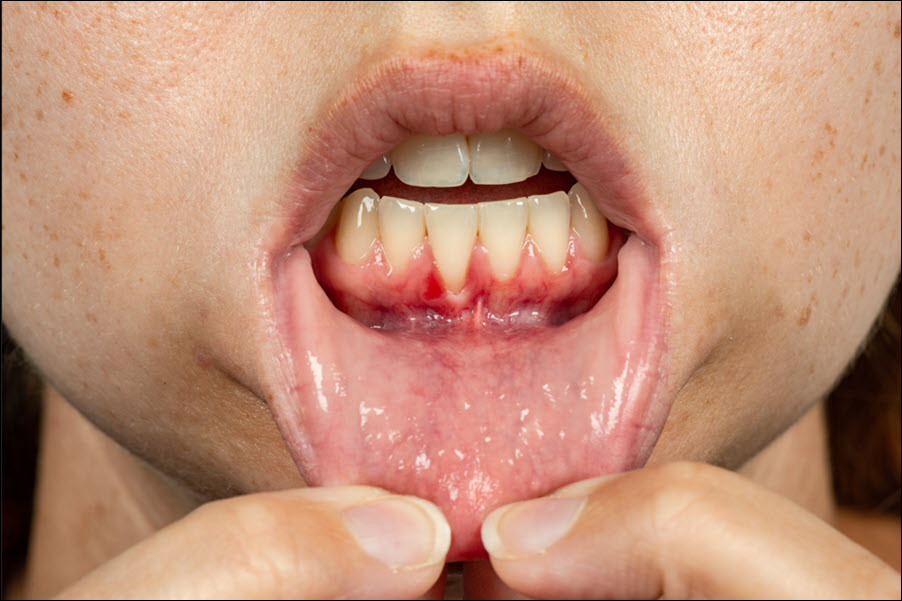
Gingivitis, the early stage of gum disease, often causes redness, swelling, and bleeding. If left untreated, it can progress into more serious conditions.

Other causes include aggressive brushing, flossing too hard, or using a toothbrush with stiff bristles. Canker sores, infections, and food particles stuck between teeth can also trigger pain.

Hormonal changes, especially during pregnancy, may increase gum sensitivity. Certain medications can contribute to dry mouth, which raises the risk of irritation and inflammation.

Symptoms to Watch For
Gum Pain

Gum pain often comes with other symptoms. You may notice swelling, tenderness, or bleeding when brushing or flossing. Bad breath and a persistent unpleasant taste can also indicate gum issues.

If your gums begin to recede or you experience loose teeth, seek dental care immediately. These signs may indicate advanced gum disease.

How to Relieve Gum Pain at Home

You can take simple steps to reduce gum pain at home. Rinse your mouth with warm salt water to reduce bacteria and inflammation. Brush gently with a soft-bristled toothbrush and use fluoride toothpaste.

Floss carefully to remove trapped debris without irritating your gums further. Over-the-counter pain relievers can help manage discomfort temporarily.

Stay hydrated and avoid spicy or acidic foods that may worsen irritation. Switching to an alcohol-free mouthwash can also reduce dryness and sensitivity.

When to See a Dentist

If gum pain lasts more than a few days, schedule a dental visit. Persistent symptoms may require professional treatment.

Your dentist can remove plaque and tartar through a deep cleaning. They can also diagnose infections or gum disease and recommend appropriate care.

Early treatment prevents more serious problems and helps restore gum health.

Prevent Gum Pain with Daily Care

Consistent oral hygiene remains the best defense against gum pain. Brush twice a day, floss daily, and visit your dentist regularly for cleanings and exams.

Healthy habits reduce plaque buildup and keep your gums strong. Paying attention to early signs of discomfort helps you act quickly and avoid complications.

Keep Your Gums Healthy and Pain-Free

Gum pain is often a warning sign that your oral health needs attention. By understanding the causes and taking action early, you can relieve discomfort and protect your smile. Regular care and professional guidance ensure your gums stay healthy for years to come.
Gum Recession and How to Prevent It

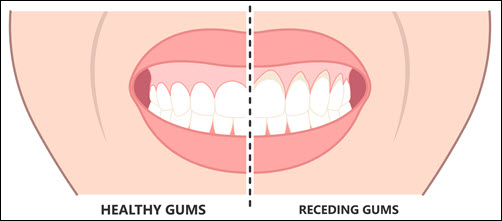
Gum recession exposes tooth roots and increases sensitivity to hot, cold, and sweet foods. It occurs when gum tissue pulls back from teeth, leaving roots unprotected. Poor oral hygiene, aggressive brushing, and gum disease increase the risk of recession. Receding gums create gaps where plaque and bacteria accumulate, leading to tooth decay and gum inflammation. Left untreated, gum recession weakens tooth stability and increases the risk of tooth loss. Early prevention strengthens gum attachment and protects tooth roots. Proper brushing, flossing, and regular dental care prevent gum recession and improve gum health. Let’s explore the causes of gum recession and how to prevent it.

Causes of Gum Recession

Aggressive brushing and poor oral hygiene damage gum tissue and increase recession risk. Brushing too hard with a hard-bristled toothbrush irritates gums and wears down enamel. Gum disease (gingivitis and periodontitis) weakens gum attachment and causes tissue loss. Smoking reduces blood flow to gums, slowing healing and increasing inflammation. Poorly fitted dental work and misaligned teeth create uneven pressure, irritating gums. Teeth grinding (bruxism) increases pressure on teeth and gums, causing tissue breakdown. Hormonal changes during pregnancy and menopause increase gum sensitivity and recession risk. Certain medications reduce saliva flow, increasing dry mouth and gum irritation. Identifying causes early improves treatment success and gum health.

Proper Brushing Technique to Prevent Gum Damage

Brushing too hard damages gum tissue and increases recession risk. Use a soft-bristled toothbrush and fluoride toothpaste. Hold the toothbrush at a 45-degree angle to the gumline. Use gentle, circular motions to clean all tooth surfaces. Avoid scrubbing back and forth, which irritates gums and wears down enamel. Brush for at least two minutes, twice a day. Clean the tongue and roof of the mouth to reduce bacteria buildup. Replace the toothbrush every three months or when bristles fray. Electric toothbrushes improve plaque removal and reduce gum irritation. Proper brushing strengthens enamel and protects gum tissue. Gentle brushing improves gum health and reduces recession risk.

Flossing to Protect Gum Attachment

Flossing removes plaque and bacteria from between teeth and under the gumline. Use about 18 inches of floss, wrapping it around your middle fingers. Slide the floss between teeth using a gentle back-and-forth motion. Curve the floss into a “C” shape around each tooth and clean under the gumline. Avoid snapping the floss, which damages gum tissue. Water flossers and floss picks provide alternative cleaning methods for tight spaces. Flossing reduces plaque buildup and prevents gum inflammation. Clean gumlines strengthen gum attachment and reduce sensitivity. Consistent flossing improves gum health and reduces the risk of gum recession. Stronger gums increase tooth stability and reduce plaque buildup.

Preventing Gum Disease to Protect Gum Tissue

Gum disease increases the risk of gum recession and tooth loss. Plaque buildup along the gumline causes gingivitis, leading to inflammation and bleeding. If untreated, gingivitis progresses to periodontitis, causing gum recession and bone loss. Regular brushing, flossing, and dental cleanings prevent plaque buildup and gum disease. Antibacterial mouthwash reduces bacteria and gum inflammation. Professional scaling and root planing remove plaque and tartar from deep pockets. Early treatment of gum disease prevents tissue loss and strengthens gum attachment. Healthy gums improve tooth stability and reduce sensitivity. Better gum health reduces recession risk and improves dental strength.

Avoiding Teeth Grinding and Jaw Pressure

Teeth grinding (bruxism) increases pressure on gums and weakens attachment. Stress, poor sleep, and misalignment increase grinding frequency. Wearing a custom night guard reduces grinding pressure and protects gums. Stress management techniques like deep breathing and meditation reduce jaw tension. Orthodontic treatment corrects bite misalignment and reduces uneven pressure on gums. Reducing caffeine and alcohol intake lowers muscle activity and grinding frequency. Strengthened gum attachment increases tooth stability and reduces gum strain. Better jaw alignment protects gum tissue from excessive pressure. Protecting teeth from grinding improves gum health and bite strength. Reduced grinding increases gum resilience and comfort.

Protecting Gums from Tobacco and Alcohol

Smoking and tobacco use weaken gum tissue and increase recession risk. Nicotine reduces blood flow to gums, slowing healing and increasing inflammation. Smoking also increases plaque buildup and gum sensitivity. Quitting smoking improves gum attachment and reduces gum inflammation. Alcohol consumption dries out the mouth and increases bacterial growth. Reduced saliva flow increases plaque buildup and gum irritation. Drinking water after consuming alcohol reduces dryness and improves gum health. Tobacco and alcohol increase the risk of gum disease and tooth loss. Avoiding harmful substances strengthens gum tissue and improves tooth stability. Stronger gums increase overall dental health and comfort.

Regular Dental Checkups for Early Detection

Professional dental checkups detect early signs of gum recession and disease. Dentists measure gum pocket depth to check for tissue loss. Regular cleanings remove plaque and tartar from the gumline. Early detection of gum inflammation improves treatment success and prevents further recession. Professional fluoride treatments strengthen enamel and reduce sensitivity. Dentists recommend deep cleaning (scaling and root planing) for early gum disease. Adjusting poorly fitted dental work improves gum attachment and bite strength. Better professional care reduces gum recession and improves overall dental comfort. Regular dental monitoring improves gum health and reduces treatment costs. Consistent care prevents long-term gum damage and tooth loss.

Improving Overall Oral Hygiene

Consistent brushing, flossing, and mouthwash use protect gum health. Fluoride toothpaste strengthens enamel and reduces gum sensitivity. Antibacterial mouthwash reduces plaque and gum inflammation. Drinking water throughout the day increases saliva production and protects gum tissue. Avoiding sugary and acidic foods reduces plaque buildup and enamel erosion. Better nutrition improves gum tissue strength and healing. Proper hydration supports better gum attachment and reduced sensitivity. Professional cleanings every six months improve plaque control and gum health. Stronger gum attachment increases tooth stability and bite strength. Consistent care improves long-term gum health and smile confidence.

Gum recession increases sensitivity and weakens tooth stability. Poor brushing, gum disease, and grinding increase recession risk. Proper brushing and flossing protect gum tissue and reduce plaque buildup. Quitting smoking and managing stress improve gum health and attachment. Treating early signs of gum disease prevents tissue loss and tooth sensitivity. Professional dental care strengthens gum attachment and improves overall gum health. Protecting gum tissue reduces the risk of cavities and tooth loss. Consistent care strengthens gum resilience and improves dental comfort. Investing in gum health creates a stronger, more confident smile. Healthier gums increase overall dental strength and stability.