Damaged Teeth: Causes, Warning Signs, and Treatment Options
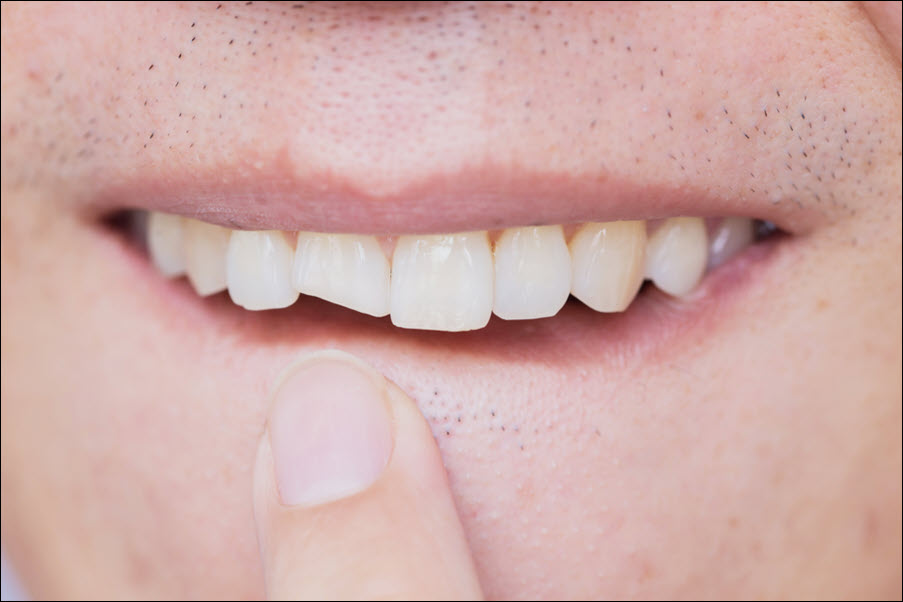
Your teeth are designed to withstand years of biting and chewing, but they are not indestructible. Accidents, tooth decay, teeth grinding, and even everyday habits can lead to damaged teeth. A small chip may seem harmless, but some types of dental damage can worsen without treatment.
At Kiessling Family Dental, we encourage patients to have chipped, cracked, broken, or unusually worn teeth evaluated so the appropriate treatment can help protect their smiles.
What Causes Damaged Teeth?
 Dental damage can happen suddenly or develop gradually over time. An accidental fall or sports injury can fracture a healthy tooth, while decay or repeated stress may slowly weaken tooth structure.
Common causes of damaged teeth include:
- Tooth decay
- Sports injuries or accidents
- Biting hard foods or objects
- Teeth grinding or clenching
- Large or aging dental fillings
- Using teeth to open packages
- Chewing ice
- Normal wear combined with weakened enamel
Teeth with large fillings or previous dental work may sometimes be more vulnerable to fractures because less natural tooth structure remains.
What Are the Signs of a Damaged Tooth?
Some dental damage is easy to see. For example, you may immediately notice that part of a tooth has broken away. Other problems, particularly small cracks, can be harder to identify.
Possible warning signs include tooth pain, sensitivity to hot or cold temperatures, discomfort when biting, or a rough or sharp edge on a tooth.
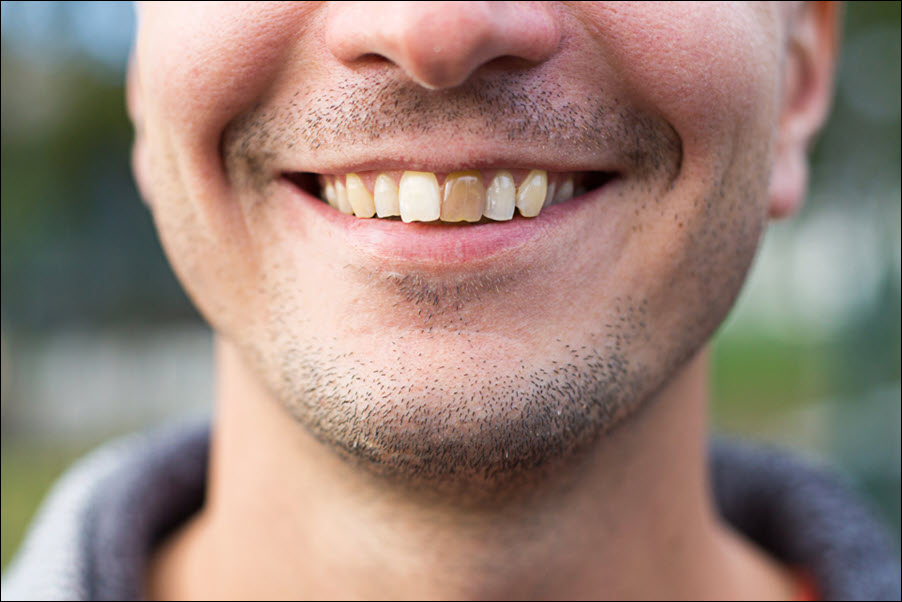
You may also notice discoloration, swelling around the gumline, or a visible crack.
A damaged tooth does not always hurt. Therefore, a lack of pain does not necessarily mean treatment is unnecessary.
Why Should You Repair a Damaged Tooth?
A small chip that affects only the outer enamel may primarily be a cosmetic concern. However, deeper damage can expose the more sensitive layers inside your tooth.
Cracks may also allow bacteria to enter the tooth, potentially leading to decay or infection. In some cases, an untreated crack can grow larger and make the tooth more difficult to restore.
Having dental damage evaluated early can provide more treatment options and help preserve as much natural tooth structure as possible.
How Are Damaged Teeth Repaired?
Treatment depends on the type, location, and severity of the damage.
1. Dental bonding may repair small chips or minor cosmetic imperfections using tooth-colored composite material.
2. Dental fillings can restore certain areas affected by decay or minor damage.
3. Dental crowns cover and protect teeth that have lost significant structure or strength.
If damage reaches the dental pulp inside the tooth, root canal therapy may be necessary to remove infected or inflamed tissue before the tooth is restored.
Severely damaged teeth that cannot be predictably restored may require extraction and replacement with an appropriate tooth replacement option.
How Can You Protect Your Teeth?
Good oral hygiene can reduce the risk of decay-related damage. Brush twice daily with fluoride toothpaste, floss every day, and maintain regular dental examinations.
Wear a mouthguard when participating in sports with a risk of facial injury. If you grind your teeth at night, ask your dentist whether a custom nightguard may help protect your enamel.
Avoid chewing ice, biting extremely hard objects, and using your teeth as tools.
Get Help for Damaged Teeth
Do not ignore a chipped, cracked, or broken tooth simply because it does not hurt. Early evaluation may prevent additional damage and make restoring the tooth easier.
Kiessling Family Dental provides preventive and restorative dental care to help patients protect and maintain their natural smiles. If you have a damaged tooth, contact our office to schedule an evaluation and discuss your treatment options.