Modern Advances in Cosmetic Dentistry: Transform Your Smile
Cosmetic dentistry has evolved rapidly, offering faster, more precise, and longer-lasting results. Today’s treatments improve both appearance and oral health. If you want a brighter, straighter, and more confident smile, modern cosmetic dentistry provides effective solutions.
Digital Smile Design and 3D Imaging
Technology now drives cosmetic dentistry. Dentists use digital smile design to map out your ideal smile before treatment begins. This process combines photos, scans, and software to create a customized plan.
3D imaging allows for precise measurements and better outcomes. You can preview your results and make adjustments before any work starts. This reduces uncertainty and ensures your final smile matches your expectations.
Advanced Teeth Whitening Solutions
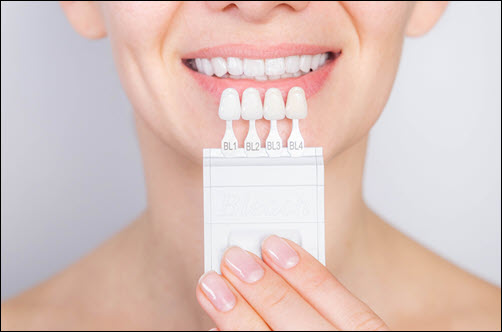
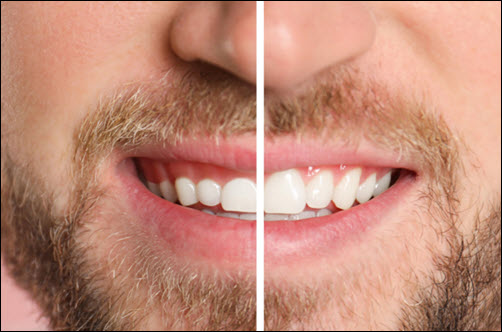
Professional teeth whitening has improved in both speed and effectiveness. In-office treatments deliver dramatic results in a single visit. Advanced formulas remove deep stains without damaging enamel.
Take-home kits from your dentist offer controlled, gradual whitening. These systems use custom trays for even coverage and better results than over-the-counter products.
Modern whitening solutions provide longer-lasting brightness with less sensitivity.
Porcelain Veneers and Minimally Invasive Techniques
Porcelain veneers remain a top choice for transforming smiles. New materials create thinner, stronger veneers that require less enamel removal. This makes the procedure more conservative and preserves natural tooth structure.
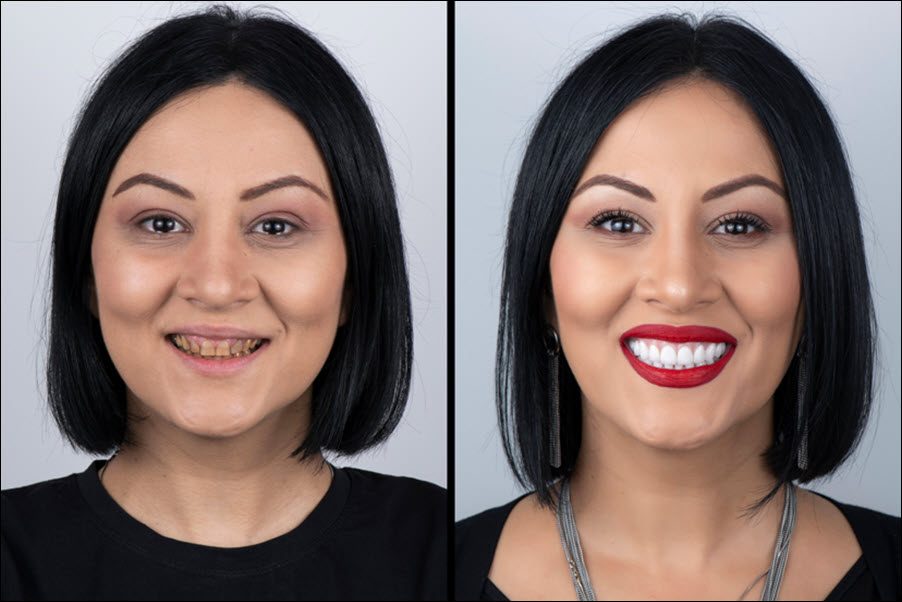
Veneers correct discoloration, chips, gaps, and minor misalignment. They deliver a natural appearance with durable, stain-resistant surfaces.
Minimally invasive techniques also apply to bonding procedures. Dentists can reshape and repair teeth quickly with tooth-colored materials that blend seamlessly.
Clear Aligners for Straighter Teeth
Orthodontic treatment has become more discreet. Clear aligners offer an alternative to traditional braces. These removable trays gradually shift teeth into place without metal brackets or wires.
Patients appreciate the convenience and comfort. You can remove aligners for eating and cleaning, which supports better oral hygiene. Treatment times often match or improve upon traditional methods, depending on the case.
Dental Implants and Restorative Advances
 Dental implants have transformed tooth replacement. Modern implant systems provide strong, stable results that look and function like natural teeth.
Advances in materials and techniques improve healing times and success rates. Implants integrate with the jawbone, which helps preserve bone structure and facial appearance.
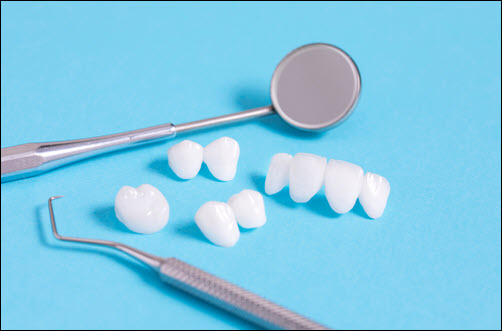
Cosmetic dentists often combine implants with crowns or bridges to restore full smiles with natural aesthetics.
Long-Lasting Results with Better Materials
New dental materials improve durability and appearance. Modern ceramics and composites resist stains, wear, and fractures. These materials mimic natural tooth color and translucency for a realistic look.
Better bonding techniques also increase longevity. Patients benefit from restorations that last longer and require less maintenance.
Achieve a Confident, Healthy Smile
Modern advances in cosmetic dentistry make it easier than ever to improve your smile. With digital planning, minimally invasive treatments, and durable materials, you can achieve natural-looking results that last.
If you want to enhance your smile, today’s cosmetic dentistry options provide safe, effective, and personalized solutions.
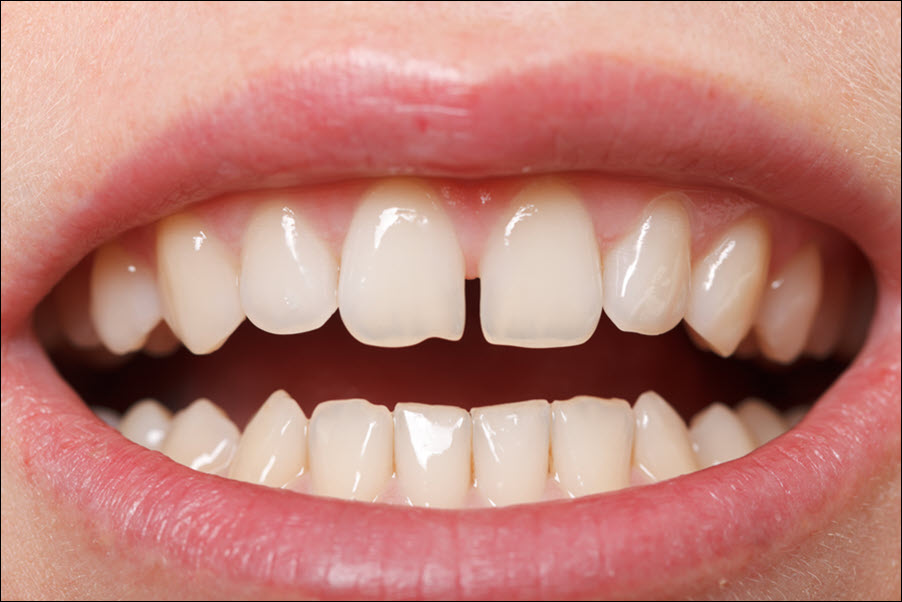
 Bonding begins with surface preparation to ensure strong adhesion. The dentist applies resin matched to tooth color, then shapes it to close the gap. A curing light hardens the material, and final polishing creates a natural finish. The procedure usually takes less than an hour per tooth and requires no anesthesia. Patients leave with immediate improvements and minimal discomfort.