How Cosmetic Dental Bonding Fixes Minor Gaps

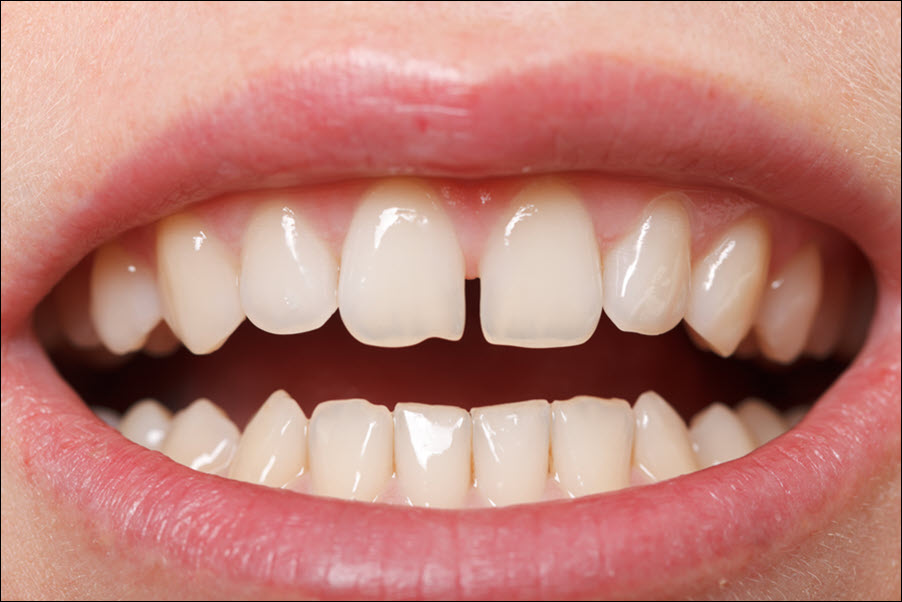
Minor gaps between teeth may not affect function but can impact confidence. While orthodontics addresses larger spacing issues, cosmetic bonding offers a fast and affordable solution for small gaps. Using tooth-colored resin, bonding reshapes teeth to create a more uniform smile. Patients benefit from immediate results without extensive treatment.

The Procedure Explained

BondingBonding begins with surface preparation to ensure strong adhesion. The dentist applies resin matched to tooth color, then shapes it to close the gap. A curing light hardens the material, and final polishing creates a natural finish. The procedure usually takes less than an hour per tooth and requires no anesthesia. Patients leave with immediate improvements and minimal discomfort.

Benefits of Dental Bonding for Gaps

Bonding is one of the least invasive treatments. It preserves natural enamel while delivering quick results. Patients appreciate its affordability compared to veneers or orthodontics. Bonding also corrects other minor flaws like chips or uneven edges. This versatility makes it a popular choice for small cosmetic adjustments.

Care and Maintenance

While bonding material is durable, it is not as strong as enamel. Patients should avoid chewing ice or biting nails to prevent chipping. Regular hygiene and professional checkups extend its life. With proper care, bonding lasts 5–10 years before requiring touch-ups. For many, it serves as a bridge to more permanent cosmetic treatments later in life.

When Bonding May Not Be Enough

Bonding works best for small gaps. Larger spacing or bite misalignment may require orthodontic treatment. Veneers also provide longer-lasting solutions for patients seeking comprehensive improvements. Dentists evaluate each case to recommend the most effective option.

Cosmetic bonding offers a simple, affordable solution for closing small gaps. Its quick results, natural appearance, and minimal invasiveness make it an attractive option. For patients seeking subtle yet impactful changes, bonding delivers confidence without extensive treatment.
The Difference Between Crowns and Veneers

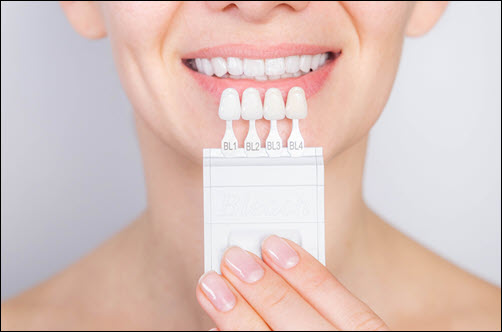
Dental veneers and dental crowns share a foothold in both cosmetic and restorative dental procedures.  And while they may function similarly, they are not the same.  There are specific differences.  If you are considering a ‘smile makeover’ understanding those distinctions and how they affect your finished smile is important.

Crowns Versus Veneers

  • crowns veneers

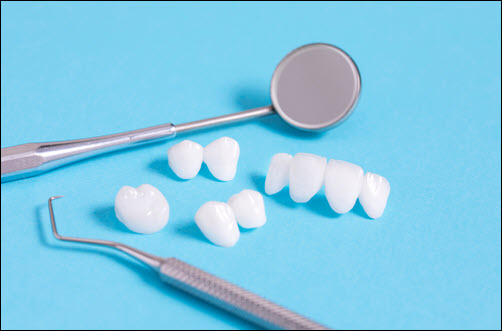
    A crown is a covering about 2mm thick and covers the entire tooth. It may be all porcelain, an all-metal alloy, or a porcelain fused to a metal alloy.

  • A veneer is a thin layer of porcelain or a resin composite. It is about a millimeter thick and only covers the front of your existing tooth.

Commonalities between Veneers and Crowns

  • They change the appearance of your teeth.
  • Can restore teeth, although is more protective and structural, while the other is more about aesthetics.
  • Can help with speaking, as damaged teeth can cause you to mispronounce words.
  • Less jaw pain, as they can minimize pain caused by grinding your teeth.
  • Fewer cavities because vulnerable areas are protected.
  • Give a whiter, straighter smile thus boosting self-esteem.

Pros and Cons of Crowns

Pros:

  • They look more like natural teeth because they cover your teeth completely.
  • They are a more durable approach than veneers.
  • The crown protects against additional damage or decay.
  • They are a good option if dealing with significant dental issues such as cracked or broken teeth.
  • If you opt for porcelain crowns, they will look and feel like natural teeth.
  • Dental insurance will often cover a portion of the cost.

Cons:

  • Part of your original tooth will need to be removed.
  • The crowned tooth may be more sensitive to hot or cold foods.

Pros and Cons of Veneers

Pros:

  • They are used to cover discolored teeth.
  • They are typically light.
  • You can match the veneer to the color of your other teeth.
  • They are more affordable and less invasive. than crowns.

Cons:

  • Enamel must be removed to attach them.
  • Durability is dependent on the material chosen for the veneer.
  • They are not always covered by insurance.
  • The procedure is irreversible.
  • They tend to have a shorter lifespan than a crown.

When deciding which to use it is important to think about the ultimate desired outcome.  However, common goals for crowns and veneers include covering discolored teeth, restoring damaged teeth, replacing areas of a tooth that have decayed or weakened, and hiding malocclusion (crooked or misaligned teeth).  It should also be noted that it is possible to get both veneers and crowns, depending on what you want to achieve.  For instance, if you have a decayed or broken tooth, but also want a better smile, then you can have a crown applied to the damaged tooth with veneers added to your other teeth.

If you have questions concerning which approach is best for your smile, be sure to talk to one of our dentists. They can answer your questions and help you make a decision that gives you the result you are looking for.  Give us a call today.